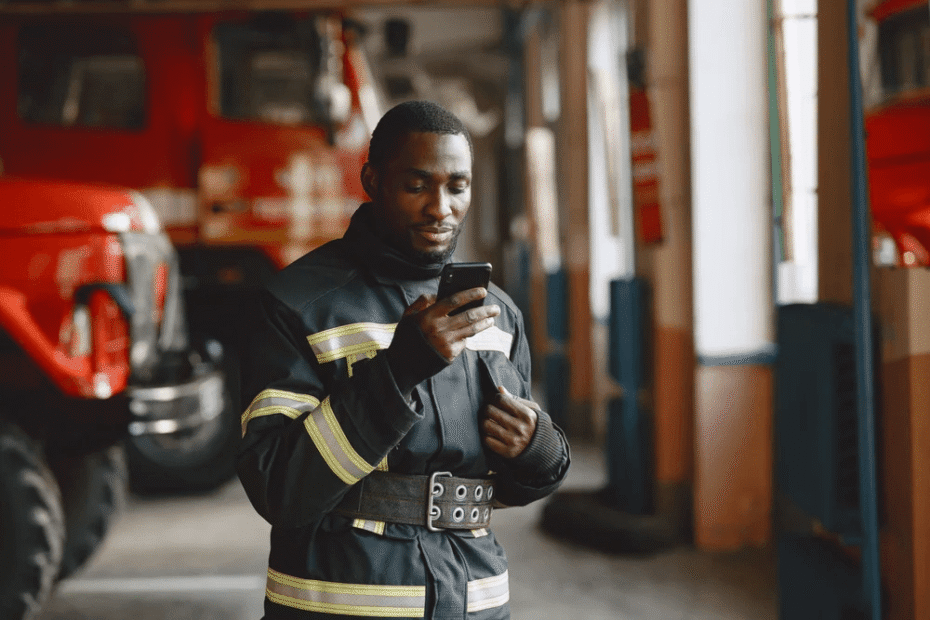
Emergency text messaging sounds simple on the surface. Write a message, send it fast, and help people act. However, in real emergencies, simple systems often break down first. A message reaches the wrong group. A team sends conflicting instructions. Employees reply, but nobody monitors the responses. The contact list is outdated. Or worse, the text arrives too late because nobody defined the process before the crisis began. Therefore, the success of emergency texting depends far less on the sending tool alone and far more on planning, workflow, and clarity. Ready.gov’s business preparedness guidance stresses the importance of communications planning as part of broader business continuity and emergency readiness. At the same time, OSHA requires alarm and emergency systems to support the actions employees need to take during emergencies.
That matters because emergency texting is not ordinary operational messaging. In a true emergency, people need to know what happened, what to do next, where to go, and whether the message is real. Consequently, emergency text messaging has to be faster, clearer, and more structured than normal business communication. It also has to fit inside a broader emergency action plan rather than operate as a standalone tactic. OSHA’s employee alarm rules require that emergency messages support the action required in the workplace. If a communications system also serves as the employee alarm system, emergency messages must take priority over non-emergency messages.
So, how should organizations actually handle emergency text messaging in 2026? The answer is straightforward: build the process before you need it, define who sends what, keep messages short and action-based, use SMS as part of a layered alert system, and rehearse the workflow until it works under pressure. When organizations do that well, emergency texting can reduce confusion, speed response, and improve safety outcomes. Ready.gov, FCC emergency communications tips, and CISA’s emergency communications planning all reinforce the value of preplanning, multi-channel communication, and real-time coordination during emergencies.
Start With An Emergency Communications Plan, Not A Tool
The first mistake many organizations make is shopping for a platform before deciding how they will use it. That usually leads to a weak system because the tool ends up substituting for planning. In reality, emergency texting should be part of a larger emergency communications plan. Ready.gov’s business guidance says preparedness planning should include communications planning, continuity planning, IT support, and recovery. Likewise, CISA’s National Emergency Communications Plan emphasizes secure, real-time communication across organizations and stakeholders during hazardous events.
Therefore, before choosing templates or software settings, answer a few basic planning questions. Which emergencies justify a text alert? Who has the authority to send one? Which groups receive which kinds of alerts? Which fallback channels will support the text if delivery is delayed? Who monitors replies? And how will you confirm whether people received or acknowledged the message? If your team cannot answer those questions clearly, the texting program is not ready yet.
This planning step matters because emergencies do not give teams time to debate roles. They expose whatever confusion already exists.
Define The Types Of Emergencies You Will Text About
Not every urgent situation deserves the same kind of message. Some emergencies require evacuation. Others require shelter-in-place instructions. Others involve weather closures, facility lockdowns, utility failures, transportation disruptions, or localized safety issues. Therefore, organizations should categorize emergency text use cases before writing any templates.
A simple structure works well:
| Emergency Type | Best SMS Goal | Typical Action |
|---|---|---|
| Fire or immediate facility danger | Evacuate now | Leave building and go to assembly point |
| Security threat or violence risk | Shelter or lockdown | Stay inside, secure area, await update |
| Severe weather | Delay, closure, or shelter | Stay home, leave early, or move to safe area |
| Utility or infrastructure failure | Operational update | Avoid location, pause work, await restoration |
| Health or environmental hazard | Safety instruction | Avoid exposure, follow health guidance |
This structure helps because it keeps teams from writing generic alerts that leave too much to interpretation. Ready.gov and FCC emergency communications guidance both emphasize the importance of providing people with timely information and encouraging them to sign up for relevant alerts before emergencies occur.
Build Clean Contact Groups Before The Crisis
An emergency text list is only useful if the right people are actually in it. That sounds obvious, but it often breaks down in practice. Shift workers, contractors, part-time employees, field teams, and multi-site staff can easily fall out of sync when contact lists are poorly maintained. Therefore, one of the most important parts of emergency texting is contact hygiene.
At a minimum, organizations should maintain segmented groups by:
- location
- department
- shift or schedule type
- role or incident responsibility
- contractor or visitor category where relevant
This matters because emergency texting should be precise when possible. If a localized issue affects one facility, the team should not have to text the whole organization first and sort out confusion later. OSHA’s emergency alarm standards also emphasize that employees in affected areas of the workplace must be able to perceive emergency alarms and take appropriate action.
Additionally, keep contact records up to date through onboarding, offboarding, and regular audits. An outdated list is not a minor administrative issue in an emergency. It is a response failure waiting to happen.
Use SMS As Part Of A Layered Alert System
Text messaging is powerful, but it should not stand alone. Phones can be silenced, batteries can be dead, and congestion can slow delivery during major incidents. Therefore, the best emergency communication systems layer SMS with other channels such as voice calls, email, workplace alarms, public address systems, collaboration tools, and physical procedures. Ready.gov’s alert guidance explains that official emergency information can come through multiple systems, while OSHA requires alarm systems that employees can perceive above ambient noise levels.
This is especially important in workplace settings. If a communication platform also serves as the emergency alarm system, OSHA says emergency messages must take priority. So, emergency texting should complement alarms and operational procedures rather than attempt to replace them.
A layered model might look like this:
- alarm or PA announcement for immediate on-site action
- SMS for direct instructions and updates
- email for longer follow-up and documentation
- voice or call tree for critical escalation
- internal app or status page for ongoing updates
That combination works because each channel does a different job.
Write Messages For Action, Not Explanation
In an emergency, people do not need elegant writing. They need usable direction. Therefore, effective emergency texts should be short, direct, and action-based. Avoid long context, internal jargon, and vague reassurance. Lead with the hazard or status, then give the action, then add the location or timing detail.
A strong emergency text usually answers four questions:
- What happened?
- Who is affected?
- What should they do now?
- When will they hear more?
For example:
“Fire alarm at Building B. Evacuate now using the nearest exit. Go to the south lot assembly area. Next update in 10 minutes.”
That works because it is immediate, specific, and easy to follow.
By contrast, a weaker version might say:
“We are currently investigating a possible incident at one of our facilities and ask everyone to remain calm while we gather more information.”
That message creates uncertainty without helping anyone act.
USAGov’s emergency information tips also emphasize timely, clear messaging during disasters, which aligns strongly with action-first emergency texting.
Prepare Templates, But Leave Room For Reality
Templates speed response, and that is valuable. However, over-scripted alerts can become dangerous when the real situation changes faster than the template accounts for. Therefore, organizations should create template frameworks rather than rigid scripts.
Good prebuilt templates usually cover:
- evacuation
- shelter-in-place
- severe weather closure
- delayed opening
- service outage
- all-clear
- follow-up status update
Still, every template should allow the sender to quickly adjust the location, timing, and instructions. Otherwise, teams may send a technically correct format with the wrong operational details.
Assign Clear Roles For Sending And Monitoring
Emergency texting fails quickly when no one knows who is authorized to send or who is responsible for reply handling. Therefore, assign roles in advance.
At minimum, define:
- Who can declare an alert
- Who sends the text
- Who approves it if approval is required
- Who monitors replies
- Who escalates exceptions
- Who sends follow-up and all-clear messages
This matters because emergencies also create incoming traffic. Employees may reply that they are safe, trapped, delayed, absent, or confused. If nobody monitors that response flow, the organization may miss critical information just when it matters most.
Rehearse The Process Regularly
A plan that never gets tested is not a plan. It is a document. Therefore, organizations should run emergency messaging drills on a regular cadence. Ready.gov’s business materials emphasize training and exercises as critical steps in emergency preparedness.
Drills should test:
- list accuracy
- sending speed
- message clarity
- reply monitoring
- escalation logic
- all-clear workflows
- coordination across locations
After each test, review what actually happened. Did people know what to do? Did the message arrive quickly? Did managers send duplicate updates? Did anyone miss the alert because their number was wrong? These reviews turn emergency texting from a theoretical capability into a practical one.
Know The Difference Between Internal Alerts And Public Emergency Systems
Organizations should also understand what their own text messaging can and cannot do. Wireless Emergency Alerts, or WEA, are public safety messages sent through authorized government alerting systems and participating wireless carriers. The FCC explains that WEA provides geographically targeted, text-like public alerts about imminent threats, AMBER alerts, and similar emergency information. Most private organizations cannot send WEA themselves.
That distinction matters because your workplace or organizational SMS alert system is separate from government emergency alerts. Therefore, your texting program should complement public alerts, not compete with them. For example, if severe weather threatens a region, employees may receive a WEA from public authorities and an internal text from your organization with workplace-specific instructions.
FAQs
Should SMS be the only emergency channel?
No. SMS is valuable, but it should work with alarms, calls, email, and other communication methods. A layered approach is safer and more reliable.
What makes an emergency text effective?
A strong emergency text is short, specific, and action-based. It tells people what happened, who is affected, what to do, and when to expect the next update.
How often should emergency texting systems be tested?
Organizations should test them regularly as part of broader emergency training and exercises. The exact cadence depends on the organization, but a system that is never exercised is not dependable.
Final Thoughts
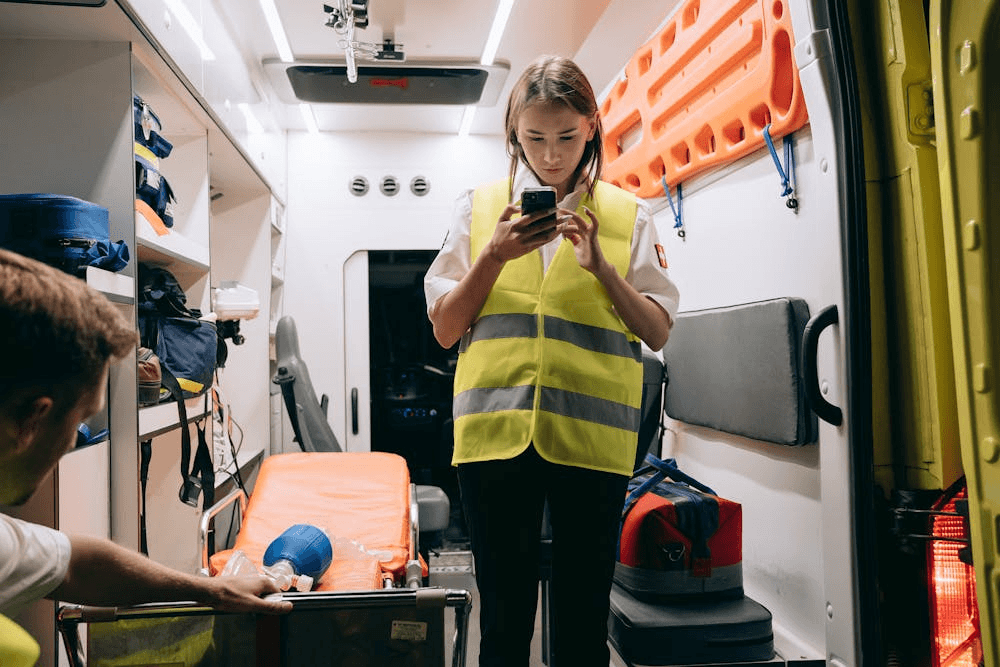
Emergency texting works when the process is ready before the emergency begins. The organizations that handle it best do not simply buy a platform and hope for the best. Instead, they build a plan, keep the contact structure clean, write clear templates, assign roles, and practice the workflow until it becomes routine under pressure.
That is the real goal. In an emergency, people should not have to decode the message or wonder what happens next. They should see the alert, trust it, and know what to do immediately. When your texting system can deliver that outcome, it is doing its job.