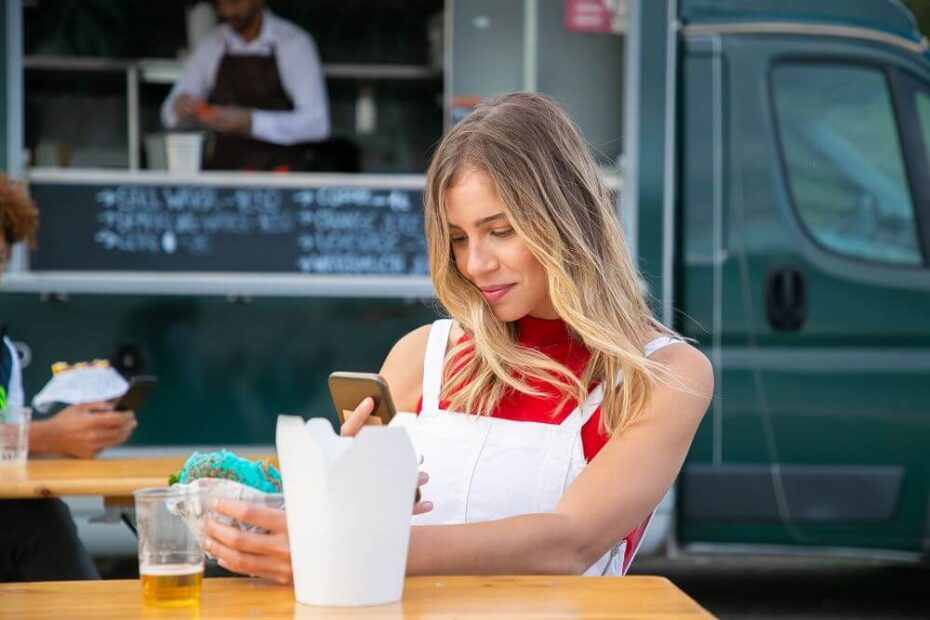
Food trucks depend on movement, timing, and loyal customers. A great taco truck, coffee cart, burger trailer, or dessert truck can build a strong following, but customers still need to know where to find it. However, locations change, weather shifts, menus rotate, and daily specials often disappear quickly. Therefore, SMS marketing can help food trucks reach customers at the exact moment they need an update.
Text messaging works especially well for food trucks because the business model runs on immediacy. A customer may decide where to eat lunch within minutes. A nearby office worker may choose between bringing food from home, ordering delivery, or walking to a truck. A timely text with today’s location, menu, and special can turn that decision into a visit.
Food truck operators also face intense local competition. They compete with restaurants, delivery apps, cafes, convenience stores, and other trucks. Moreover, many trucks rely on recurring stops near offices, campuses, breweries, parks, markets, festivals, and apartment communities. SMS gives them a direct line to customers who already want updates.
Current SMS research supports this opportunity. SimpleTexting’s 2025 report found that 84% of consumers subscribe to business texts, and 71% want the ability to text businesses back. Additionally, consumers often opt in to receive texts for reminders, promotions, and updates. For food trucks, that means SMS can help customers find the truck, check the menu, reserve items, and act before the lunch rush ends.
Why SMS Marketing Works For Food Trucks
Food trucks have a unique communication challenge. A restaurant usually stays in one place, but a food truck may serve lunch downtown, dinner at a brewery, and a weekend event in another neighborhood. As a result, customers need quick location updates.
Social media helps, but algorithms can hide posts. Email can work for weekly schedules, but it may not reach customers in time. However, SMS can deliver a direct update when the truck opens, moves, adds a special, or sells out.
Additionally, food truck customers often buy based on cravings and convenience. If someone receives a text saying the truck is two blocks away with a limited-time special, they can act immediately. Therefore, SMS can drive foot traffic during short selling windows.
Location Alerts: Help Customers Find You Fast
Location alerts should sit at the center of a food truck SMS strategy. Customers may love your food, but they cannot buy it if they do not know where you are. A good location text should include the stop, time window, nearby landmark, and a simple call to action.
- Lunch Location Text: “We’re at 5th & Main today from 11–2. Come by for tacos, bowls, and fresh agua fresca.”
- Brewery Stop Text: “Tonight we’re outside [Brewery Name] from 5–9 p.m. Reply MENU to see today’s specials.”
- Campus Stop Text: “Hungry between classes? We’re near the student center until 3 p.m. Show this text for $1 off.”
- Event Location Text: “Find us at the farmers market today, booth 12 near the main entrance. Limited brunch menu available.”
These messages work because they remove guesswork. Moreover, they can help regular customers plan lunch, dinner, or event visits around your route.
Daily Menu Texts: Turn Cravings Into Orders
Food truck menus often change based on ingredients, events, or seasonality. Therefore, menu text can help customers make quick decisions. A short menu update can highlight bestsellers, new items, vegetarian options, spicy specials, or limited batches.
- Daily Menu Text: “Today’s menu: birria tacos, chicken bowls, veggie quesadillas, and churros. We’re open 11–2 at City Hall.”
- Limited Item Text: “Limited today: Nashville hot chicken sandwich. Only 40 available. Reply HOLD if you want one saved.”
- Vegetarian Menu Text: “Veggie special today: roasted sweet potato tacos with avocado crema. Available until sold out.”
- Dessert Truck Text: “Today’s flavors: strawberry cheesecake, cookies & cream, and salted caramel. Reply FLAVOR for the full menu.”
These messages help customers picture the meal before they arrive. Additionally, they reduce the number of repetitive questions at the window.
Daily Specials: Create Urgency During Peak Hours
Daily specials can move inventory, increase average order value, and create excitement. However, specials only work when customers hear about them in time. SMS can promote limited-time offers before lunch, during slow hours, or near closing.
- Lunch Rush Special: “Lunch special today: any sandwich + chips + drink for $12 until 1:30 p.m.”
- Slow Hour Text: “Afternoon deal: $2 off bowls from 2–4 p.m. today. Show this text at the window.”
- Sellout Alert: “Almost sold out of brisket sliders. Stop by before 2 p.m. if you want one.”
- End-Of-Day Offer: “Last hour special: buy one dessert, get one 50% off until close.”
These texts create action because they include a deadline. Furthermore, they help food trucks balance demand throughout the day rather than relying solely on the lunch rush.
Preorders And Pickup Alerts

Long lines can discourage hungry customers, especially during short lunch breaks. Therefore, food trucks can use SMS to encourage preorders and speed up pickup. Even simple reply-based preorders can help operators estimate demand.
- Preorder Text: “Skip the line today. Reply ORDER, and we’ll send the pickup link for our 11–2 stop.”
- Group Order Text: “Office lunch? Reply GROUP for trays, family packs, or bulk taco options.”
- Pickup Ready Text: “Your order is ready at the truck. Please pick up at the side window.”
- Limited Batch Reservation: “We have 20 tamale boxes for Friday pickup. Reply TAMALE to reserve yours.”
Preorder texts can increase sales before the truck even opens. Moreover, they help food trucks prepare inventory and reduce service bottlenecks.
Weather, Delay, And Schedule Updates
The weather can quickly change food truck plans. Rain may reduce foot traffic, heat may shift demand, and high wind may affect setup. Additionally, changes to traffic, permitting, maintenance, or events can alter service times. SMS helps customers stay informed when plans change.
- Rain Update Text: “Rainy day update: We’re still serving at 5th & Main until 1:30 p.m. Hot soup special today.”
- Delay Text: “Traffic delay: We’ll open at 11:30 instead of 11 today. Thanks for your patience.”
- Schedule Change Text: “Schedule change: Tonight’s brewery stop moved to Friday. We’ll be back downtown tomorrow.”
- Sold-Out Text: “Thank you! We sold out early today. Catch us tomorrow at the park from 12–4.”
These updates build trust because customers do not waste a trip. Additionally, they show that the truck respects customers’ time.
Best Practices For Food Truck SMS Campaigns
Food truck SMS should feel helpful, timely, and local. Since customers may act within minutes, every message should have a clear purpose.
- Get Clear Consent First: Collect opt-ins through QR codes on the truck, receipts, online ordering pages, loyalty programs, and social media.
- Set Expectations: Tell subscribers whether they will receive locations, menus, specials, event alerts, or preorder links.
- Segment By Location: Send downtown alerts to downtown customers and campus alerts to campus customers when possible.
- Use Simple Reply Keywords: Let customers reply to MENU, ORDER, HOLD, GROUP, or HELP.
- Send At The Right Time: Lunch texts often work best before the rush, while dinner texts should arrive before customers choose plans.
- Avoid Overtexting: Daily updates may work for loyal fans, but too many irrelevant messages can lead to opt-outs.
- Honor Opt-Outs Quickly: Food trucks should provide a simple opt-out method and respect unsubscribe requests promptly.
- Track Redemptions: Use show-this-text offers, keywords, or POS notes to measure results.
- Keep Copy Short: Customers should understand the location, menu, and action in seconds.
- Monitor Replies: If customers ask about allergens, pickup times, or menu items, respond quickly.
How To Build A Food Truck SMS List
Food trucks can grow an SMS list anywhere customers already interact with the brand. Add a QR code to the truck window, menu board, napkin holder, packaging, website, and social media profiles. Additionally, mention the list at events and pickup counters.
Strong opt-in offers include:
- Weekly location alerts
- Daily menu texts
- First access to specials
- Loyalty rewards
- Preorder links
- Sold-out alerts
- Event schedules
- Birthday offers
For example, a sign could say: “Want today’s location and specials? Text TRUCK to [number] for updates.” This message gives customers a clear reason to subscribe.
How To Measure SMS Success
Food trucks should measure SMS by traffic, orders, and repeat visits. Important metrics include:
- List growth
- Location alert responses
- Menu link clicks
- Preorders
- Keyword replies
- Flash sale redemptions
- Repeat visits
- Average order value
- Sellout timing
- Group order inquiries
- Opt-out rate
- Revenue from SMS campaigns
Additionally, trucks should compare stops. A downtown lunch alert may drive fast redemptions, while a brewery dinner text may drive higher average orders. Over time, this data can guide better routes, menus, and campaign timing.
FAQs
Can Food Trucks Use SMS Marketing?
Yes. Food trucks can use SMS for location alerts, daily menus, specials, preorder links, event reminders, weather updates, loyalty rewards, and sold-out alerts when customers opt in.
How Often Should Food Trucks Text Customers?
Food trucks should text when the message helps customers find the truck or act on a timely offer. Frequent location updates may work if subscribers expect them, but irrelevant promotions can increase opt-outs.
What Text Messages Work Best For Food Trucks?
Location alerts, daily menu updates, limited-time specials, preorder links, group-order offers, weather updates, and event reminders often work well.
Can SMS Help Food Trucks Increase Lunch Sales?
Yes. A timely text before lunch can tell nearby customers where the truck is, what is on the menu, and why they should visit today.
Should Food Trucks Use Two-Way Texting?
Yes. Two-way texting helps customers quickly ask about menus, allergens, pickup times, catering, and group orders.
Final Thoughts
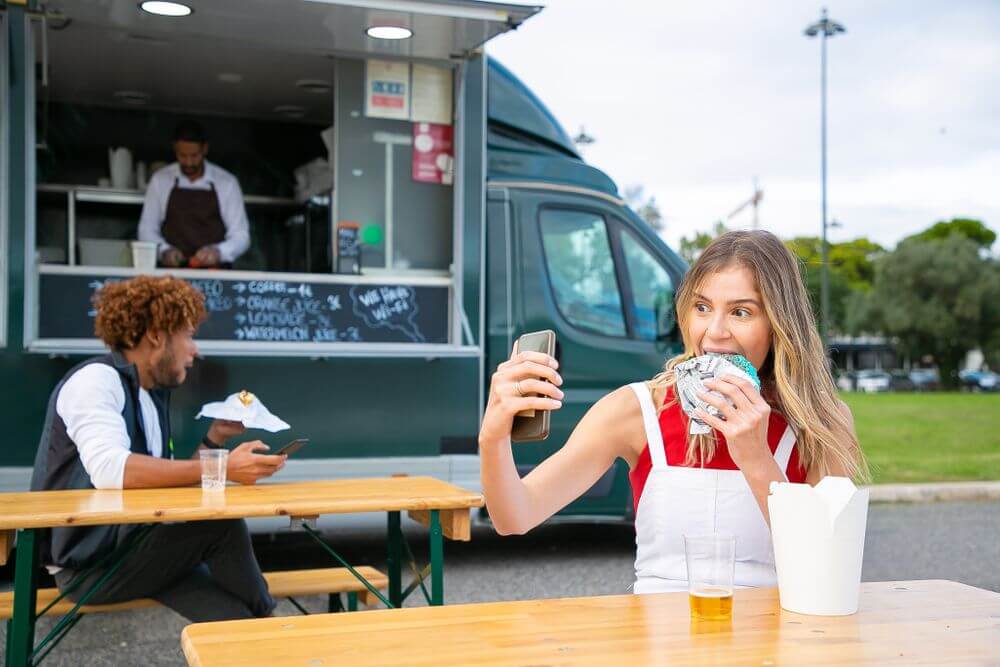
SMS marketing can help food trucks solve one of their biggest challenges: ensuring customers know where the truck is and what it serves today. Location alerts guide people to the right stop. Menu texts spark cravings. Daily specials create urgency. Preorder messages reduce friction and help operators plan demand.
However, food trucks should use SMS with care. They should collect clear consent, set expectations, send relevant updates, monitor replies, and honor opt-outs quickly. Additionally, they should match message timing to real customer behavior, such as lunch breaks, dinner plans, events, and weekend crowds.
Ultimately, the best food truck SMS campaigns feel immediate, local, and useful. When trucks send the right message at the right time, they can build loyal fans, increase repeat visits, and turn location changes into a marketing advantage.