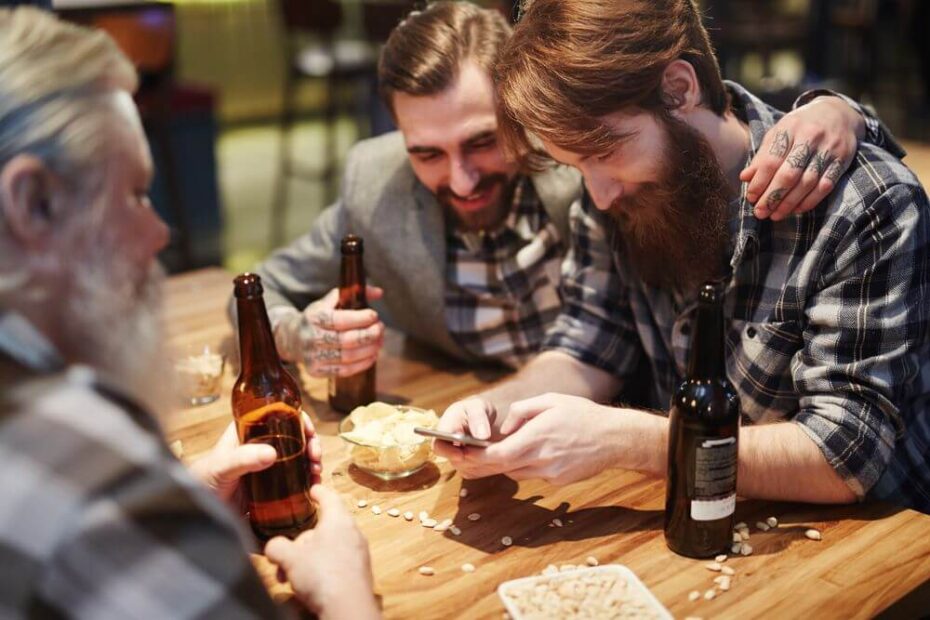
Texting can be very good for bars that want to keep loyal customers, but only when the strategy stays useful, timely, and respectful. Bars live on repeat visits, local familiarity, and habit. Therefore, the real goal is not just to get someone in once. It is to give them a reason to come back next week, bring friends next month, and think of your bar first when they want a night out. That makes direct communication valuable. Moreover, current consumer texting data shows that business texting is already mainstream. In 2025, 84% of consumers said they were opted in to receive texts from businesses, and 71% said they wanted the ability to text a business back. Those numbers matter because loyalty grows faster when customers are already comfortable with the channel.
However, texting is not automatically good for bars just because it is direct. In fact, bars can damage loyalty quickly if they over-text, send weak offers, or treat every guest like a generic promo target. SimpleTexting’s 2025 research says texting too frequently is one of the fastest ways to lose subscribers. So, the stronger answer is this: texting is good for bars when it helps the guest, fits the brand, and gives people a reason to act without feeling spammed. If the bar uses SMS as a loyalty and experience channel rather than as a nonstop discount machine, it can become one of the best tools for repeat business.
That distinction matters even more in 2026 because bars operate in a highly competitive local environment. Guests have more choices, habits can shift quickly, and attention is limited. Toast’s 2025 industry survey says restaurants continue focusing on profitability, efficiency, and guest experience, while Toast’s loyalty analytics content says loyalty-program participants spend, on average, 39% more than non-loyalty guests. So, if loyal customers already drive stronger spend and retention, a channel that helps bars stay visible with regulars can be commercially powerful. Texting fits that role well because it reaches people quickly and can support both promotions and experience-led reminders.
Why Loyalty Matters So Much For Bars
Bars do not usually build sustainable growth through one-time traffic alone. Instead, they grow through familiar faces, dependable weekly patterns, and the kind of regular behavior that turns a neighborhood spot into part of someone’s routine. Therefore, loyalty matters more than many bar operators first admit. A loyal guest does not just spend once. They often come back repeatedly, bring friends, respond to events, and talk about the venue offline. Consequently, bars need tools that support repeat behavior rather than only first-time attraction. Toast’s loyalty data points directly in that direction, showing higher spend among guests who participate in loyalty programs.
Texting works especially well in this kind of environment because it fits the way loyalty forms in nightlife and hospitality. A bar guest usually does not need a long explanation. They need a simple reason to stop in tonight, remember trivia tomorrow, or show up for a weekend event. Therefore, when a text is timely and relevant, it can shape behavior quickly. Additionally, hospitality-focused texting research indicates that SMS performs well in sectors such as restaurants, hotels, and travel because it helps businesses stay connected with guests in a direct, practical way. That broader hospitality pattern translates well to bars, especially those with recurring events, specials, or membership-style followings.
Why Texting Fits Bar Loyalty Better Than Some Other Channels
Email still matters for some brands, and social media still matters for discovery. However, bars often need something faster and more direct to reach people who already know the venue. That is where texting stands out. A text message does not depend on someone checking a crowded inbox or seeing a post in a social feed at the right moment. Instead, it usually lands in a place people notice quickly. Therefore, texting can help bars stay top of mind when timing is everything.
This is especially useful because bars often operate around short decision windows. A group may decide where to go after work. A couple may look for live music at the last minute. A regular may need one nudge to stop in for happy hour. Consequently, a good text can do what a slower channel cannot: reduce the time between awareness and action. That makes SMS especially valuable for businesses built around local, time-sensitive visits. Toast’s restaurant automation guidance also supports this logic by framing automated guest communication as a way to drive repeat visits and retention.
How Bars Should Use Texting To Keep Customers Loyal
The best bar texting strategies do not rely on one message type. Instead, they combine service, reminders, exclusivity, and occasional promotional urgency. Therefore, the strongest programs usually include a mix of the following:
- event reminders for trivia, music nights, or watch parties
- VIP or regular-only specials
- birthday or milestone offers
- reservation or table reminders
- loyalty-reward alerts
- weather-driven updates for patios or special events
- occasional limited-time offers tied to real timing
These use cases work because they feel connected to the guest experience. They do not just ask people to spend. They remind them why the venue is worth returning to. SimpleTexting’s restaurant SMS guidance and EZ Texting’s restaurant pages both emphasize offers, reservation support, loyalty-style communication, and review or guest-engagement workflows as high-value text use cases for hospitality businesses.
What Makes Bar Texting Feel Useful Instead Of Annoying
The difference between loyalty-building texting and annoying texting usually comes down to relevance. If a guest gets a text about something they actually care about, such as a favorite event night or a genuinely good regulars-only special, the message feels useful. However, if every text is a broad, repetitive blast, the channel starts to feel cheap and noisy. Therefore, bars should segment their audience wherever possible.
For example, a bar could send:
- sports-related texts only to guests who opted in for game-day updates
- late-night DJ announcements only to nightlife-oriented subscribers
- weekday happy hour texts to nearby office and after-work regulars
- Whiskey tasting or craft cocktail alerts to higher-interest segments
This matters because loyalty is personal. A trivia regular and a Friday-night cocktail guest are not the same person, and they should not get the same message every time. Consumer research also shows that people want business texts to be relevant and direct, which supports a more segmented approach.
Promotions Help, But Community Matters More
A lot of bars first think about texting as a coupon tool. Discounts can help, of course. However, loyalty usually grows more from belonging than from discounting alone. Therefore, the best bar texting programs often feel more like membership communication than pure promotion.
That can mean:
- “Regulars get early access tonight”
- “Your favorite trivia night starts at 7”
- “VIP patio seats open tonight”
- “Live music starts in an hour”
- “Loyalty reward unlocked—grab your first drink special”
These kinds of messages work because they reinforce a relationship. They tell the guest that the venue recognizes them and wants them back. Toast’s automation guidance and loyalty analytics both point toward repeat-visit logic and guest retention rather than one-off discount behavior. So, while promotions still matter, the deeper loyalty opportunity comes from creating a sense of rhythm and familiarity through the channel.
Two-Way Texting Can Strengthen Loyalty Even More
One of the most overlooked parts of bar texting is reply handling. SimpleTexting’s 2025 research found that 71% of consumers want to be able to text a business back. That matters because bars are not just retailers. They are hospitality environments. Guests often have simple questions that affect whether they come in at all. They may want to ask about reservations, cover charges, event times, private bookings, or availability. Therefore, two-way texting can help bars feel more responsive and more human.
This does not mean every bar needs a full customer service team on text. However, it does mean that some level of monitored reply capability can make the channel more valuable. If a guest texts “Do you still have seats for trivia?” and gets a quick answer, the loyalty effect can be stronger than a generic promo. In hospitality, responsiveness often becomes part of the experience itself.
The Biggest Mistakes Bars Should Avoid
Texting can absolutely help bars retain loyal customers, but only if they avoid the usual mistakes.
The biggest problems are:
| Mistake | Why it hurts loyalty |
|---|---|
| Texting too often | Guests unsubscribe or tune out |
| Sending generic offers | Messages feel irrelevant |
| Overusing discounts | Brand value gets weaker over time |
| Ignoring replies | Guests feel dismissed |
| Texting without consent | Trust and compliance risk rise |
| Sending messages with no timing logic | People stop paying attention |
These mistakes matter because SMS is a high-visibility channel. If the message is strong, that visibility helps. If the message is weak, the same visibility makes the weakness more obvious. The consumer data on over-texting and the FCC’s ongoing guidance on unwanted robocalls and texts both reinforce the importance of consent, restraint, and clear expectations.
Compliance Still Matters For Bars
Bars should not assume that local, casual hospitality texting is exempt from the rules. The FCC’s consumer guidance states that unwanted robotexts remain regulated, and that commercial text messaging still depends on proper consent and functioning opt-out processes. Therefore, bars should collect clear opt-ins, identify what guests are signing up for, and make opting out easy. That is not just a legal issue. It is also a loyalty issue. Guests trust the channel more when they feel in control of it.
This also means bars should avoid buying lists or texting people who never clearly signed up. A smaller, opt-in list of real regulars is worth far more than a larger list of weak or questionable contacts. As broader restaurant and business texting guidance keeps showing, list quality shapes results more than raw list size.
So, Is Texting Good For Bars To Keep Loyal Customers?
Yes, texting is good for bars that want to keep loyal customers, and in many cases, it is one of the best direct channels available. However, it works well only when the bar treats SMS as a relationship channel rather than a loudspeaker. If the messages are timely, relevant, and useful, texting can support repeat visits, stronger loyalty, and better guest engagement. On the other hand, if the bar oversteps, sends generic promotions, or ignores guest preferences, the channel can quickly turn against the brand.
FAQs
What kinds of bar texts work best for loyalty?
Event reminders, VIP specials, birthday or milestone offers, loyalty-reward alerts, and messages tied to favorite weekly habits usually work best because they feel relevant and timely.
Should bars text customers every day?
Usually not. Consumer research shows that texting too frequently is one of the fastest ways to lose subscribers. Therefore, bars should focus on relevance and timing rather than volume.
Can texting really increase repeat visits?
Yes, especially when the texts support existing guest habits and loyalty behavior. Restaurant loyalty participants already tend to spend more, and well-run texting can help keep those guests engaged between visits.
Final Thoughts
Bars do not need texting just to look modern. They need it because loyalty depends on staying visible in the moments when guests decide where to go next. Therefore, texting can be one of the strongest tools for keeping regulars engaged, especially when the message feels relevant, local, and worth acting on. The bar that reminds guests about the right event, the right perk, or the right reason to stop in tonight often stays top of mind.
In 2026, the bars that win with SMS will not simply send more offers. Instead, they will send better messages to the right people at the right times. That is what turns texting from a promotion tactic into a loyalty engine.