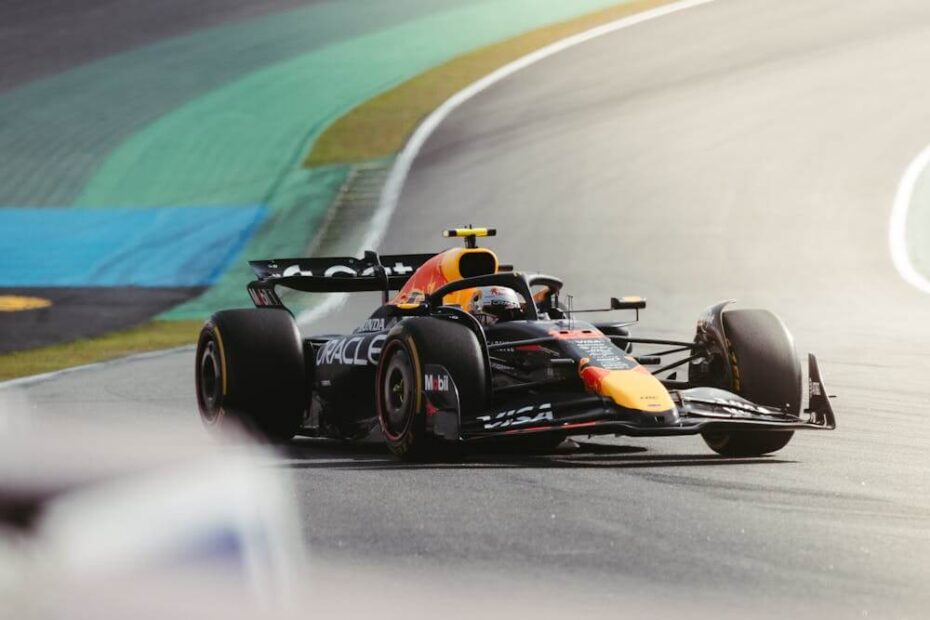
Formula 1 runs on timing. Fans do not want the result for three hours. They want to know when qualifying starts, when the grid changes, when a Sprint weekend works differently, and when a major race moment affects the weekend. That is exactly why text messaging can work so well for Formula 1 alerts. SMS is fast, highly visible, and well-suited to time-sensitive updates. However, that does not mean every Formula 1 message belongs in a text. The best F1 alert programs use SMS selectively, with clear timing, clear opt-ins, and a strong understanding of what fans actually want.
That matters even more in 2026 because the Formula 1 calendar is long, global, and structurally uneven. The official 2026 calendar lists 22 rounds running from Australia in March through Abu Dhabi in December, while Formula 1 and the FIA have also confirmed a 2026 Sprint calendar with six Sprint weekends. Moreover, Sprint weekends use a different structure: Sprint Qualifying on Friday, Sprint and Grand Prix Qualifying on Saturday, and the Grand Prix on Sunday. Therefore, fans often need faster, cleaner reminders than a general content feed can provide.
The official F1 app already offers notifications and live timing features, which means any SMS strategy has to earn its place rather than duplicate what fans already have. So the real opportunity isn’t to text every race headline. Instead, it is to use SMS for the updates where direct attention truly adds value. Formula 1 itself promotes app notifications and live timing as key ways to follow the action, which reinforces the need for SMS alerts to stay focused and useful.
Why SMS Can Work For Formula 1 Alerts
SMS works well for Formula 1 because the sport creates many short windows where timing matters. A fan may want a reminder before lights out, a heads-up that Sprint Qualifying begins soon, or a notice that a race weekend in another time zone starts earlier than usual. Therefore, texting fits best when the alert helps the fan avoid missing something important rather than simply repeating general news.
This is especially useful because fans already deal with notification overload. SimpleTexting’s 2025 consumer data says people are open to business texts, but they are strict about volume, and 90% want brand texts once per week or less in many brand contexts. So, a Formula 1 alert service needs to be disciplined. If it texts too often, it starts to compete not just with other brands, but with the fan’s whole phone experience.
What A Good Formula 1 SMS Alert Program Should Actually Send
The strongest Formula 1 texting programs focus on alerts that are genuinely time-sensitive or structurally useful. They do not try to become a full newswire.
Best Types Of F1 SMS Alerts
- race start reminders
- qualifying and Sprint session reminders
- grid or schedule change alerts
- major weather or delay updates
- team- or driver-specific alerts for opted-in fans
- pre-race weekend schedule reminders by local time
These categories work because they help fans act. A message that says “Qualifying starts in 30 minutes” is useful. A message that says “Read our full race preview” may be better in email or social. Therefore, the more practical the alert is, the more likely SMS will feel worth the interruption.
Start With Session Timing, Not Commentary
If you want to run Formula 1 alerts properly, begin with timing-based alerts. Timing is where SMS has the clearest advantage. The F1 app already provides news and in-depth features, while Formula1.com offers live timing, schedules, and editorial coverage. So, SMS should usually support awareness of the action rather than trying to replace those richer channels.
A good timing-based system can include:
| Alert Type | Why It Works | Best Send Window |
|---|---|---|
| Weekend reminder | Helps fans plan ahead | 12 to 24 hours before first key session |
| Session reminder | Reduces missed starts | 15 to 30 minutes before |
| Sprint weekend alert | Explains different format | Thursday or Friday morning |
| Race start reminder | Highest-value general alert | 15 minutes before lights out |
This structure matters because it keeps the service predictable. Fans know they are getting reminders that help them watch, not just random commentary.
Segment By Fan Interest
One of the fastest ways to ruin a Formula 1 alert program is to send the same message to everyone. Some fans only care about race starts. Others want Ferrari alerts, Verstappen alerts, British GP reminders, or Sprint-only updates. Therefore, segmentation matters.
A strong F1 alert service can segment by:
- favorite driver
- favorite team
- race-only vs full-weekend fans
- Sprint interest
- regional timezone
- language or geography
This matters because Formula 1 is global, and fan behavior is not uniform. A Europe-based fan may want every session reminder. A U.S.-based casual fan may only want race start alerts for major Grand Prix. Therefore, better segmentation typically leads to higher retention and fewer opt-outs.
Always Use Local Time Clearly
Formula 1 is one of the worst sports to message carelessly across time zones. A session that feels obvious to one fan can happen in the middle of the night for another. Therefore, every serious F1 SMS alert program should localize session times wherever possible, or at least clearly state the time zone.
This is especially important in 2026 because the calendar still spans multiple continents across the year, from Australia and China to Europe, the Americas, the Middle East, and Asia. Fans should never have to decode whether “Qualifying starts at 16:00” means their time or track time. The clearer your time handling is, the more useful the service becomes.
Use Sprint Weekends Differently
Sprint weekends need different messaging because the structure is different. Formula 1 and the FIA say 2026 Sprint weekends include Sprint Qualifying on Friday, the Sprint and Grand Prix Qualifying on Saturday, and the Grand Prix on Sunday. Therefore, your alert flow should adjust automatically rather than treating every weekend the same way.
A smart Sprint sequence might include:
- Thursday reminder that this is a Sprint weekend
- Friday Sprint Qualifying alert
- Saturday Sprint alert
- Saturday Grand Prix Qualifying alert
- Sunday race reminder
That approach works because it helps casual fans understand why the weekend feels different without forcing them to study the format themselves.
Keep The Copy Short And Useful
Formula 1 alerts should sound like alerts, not newsletters. SMS works best when the message gets to the point fast.
A good alert usually includes:
- what is happening
- when it starts
- who or what it relates to
- one simple action if needed
For example: “F1 Qualifying starts in 20 minutes. Monaco GP 2026. Open your stream now.”
That works better than: “Exciting action is about to unfold as the drivers prepare to battle for pole position in one of the most iconic sessions of the season.”
The second version sounds dramatic. The first version helps the fan.
Get Consent And Frequency Right
Even sports alerts need consent discipline. The FCC says robotexts generally require prior express consent, and marketing-related robotexts require prior express written consent. So, if your Formula 1 alert service is automated, you need a clear opt-in flow and should explain what kinds of texts people are signing up for.
This also matters because fans may tolerate more alerts on race weekends than they would from a normal brand. However, that does not mean unlimited texting is a good idea. A clean opt-in should explain whether the service covers:
- every session, the
- race starts only
- team or driver alerts
- breaking schedule changes
- promotional partner content, if any
The clearer you are, the longer the list usually stays healthy.
Pair SMS With Richer Channels
SMS should not try to do everything. Instead, it should work alongside richer channels like app notifications, email, live timing pages, or social feeds. Formula 1 already offers official app notifications and live timing, so an SMS alert program works best when it complements that ecosystem rather than copies it. For example, the text can drive attention, while the app, site, or stream carries the deeper experience.
FAQs
What are the best Formula 1 alerts to send by text?
The best ones are race start reminders, qualifying reminders, Sprint weekend schedule alerts, and major timing changes. These are the updates where SMS adds the most value.
Should an F1 SMS service compete with the official app?
No. It should complement it. The official F1 app already offers notifications and live timing, so SMS works best as a faster, simpler alert layer.
How often should Formula 1 alert texts be sent?
As little as necessary to stay useful. Session alerts, Sprint reminders, and major schedule changes make sense. Constant commentary usually does not. Consumer texting research shows people are sensitive to message volume.
Final Thoughts
Formula 1 is one of the best sports for smart SMS alerts because the schedule is global, the timing matters, and fans often need a simple reminder more than a long explanation. However, that advantage only holds if the texting stays disciplined. The best Formula 1 alert programs do not flood phones. Instead, they help fans catch the moments that matter.
In 2026, the smartest way to run Formula 1 text messaging is simple: alert for timing, segment for interest, localize for timezone, and respect the fact that one useful text beats five noisy ones every time.