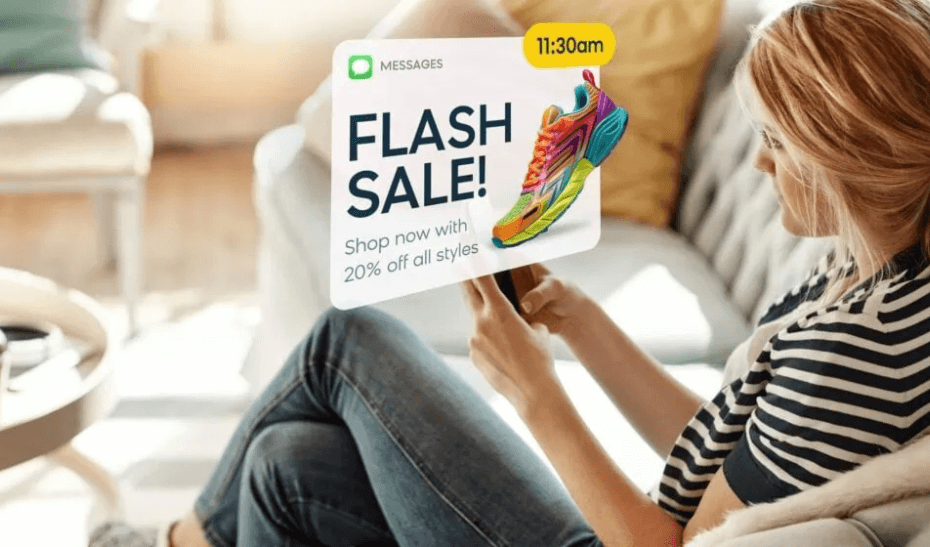
Speed often decides whether a time-sensitive campaign succeeds or fails. A flash sale needs immediate attention, and an event reminder only works if people see it in time. Therefore, many brands use SMS to deliver urgent messages quickly and clearly.
SMS stands out because it reaches customers fast and makes action easy. While email and social media still matter, they often move too slowly for short campaign windows. By contrast, a text message can generate clicks, registrations, and purchases within minutes.
Why SMS Works For Time-Sensitive Campaigns
SMS performs well in urgent campaigns because it combines speed, visibility, and simplicity. Most people notice text messages quickly, so brands can reach customers while the offer still feels fresh. As a result, SMS often works better than slower channels for short-term promotions.
In addition, SMS keeps the message focused. A customer does not need a long explanation to respond to a flash sale or event reminder. Instead, they need the offer, the deadline, and the next step. Therefore, texting helps marketers communicate clearly without wasting words.
SMS also reduces friction. Customers do not need to search an inbox, scroll through social posts, or wait to notice an ad. Instead, the message appears directly on their phone. Consequently, the path from awareness to action becomes much shorter.
Where Fast SMS Alerts Add The Most Value
Some campaigns depend heavily on timing. Flash sales, live events, product drops, and booking deadlines all require quick communication. Therefore, SMS becomes especially valuable when brands need an immediate response.
Retailers use SMS to announce short discounts, limited product releases, and last-chance offers. Event organizers use it to increase registrations, send reminders, and share live updates. Meanwhile, service businesses use it to fill open appointment slots and promote same-day availability.
Because these campaigns depend on fast visibility, SMS gives them a clear advantage. A delayed message often means lost revenue. However, an immediate message can create momentum while interest is strongest.
| Campaign Type | How SMS Helps | Main Outcome |
|---|---|---|
| Flash Sales | Sends the offer instantly | Faster purchases |
| Event Reminders | Reaches attendees quickly | Better attendance |
| Product Drops | Alerts shoppers right away | Faster sell-through |
| Deadline Offers | Pushes action before time runs out | More conversions |
| Last-Minute Promotions | Fills short-term demand | Higher response |
How SMS Creates Urgency
Urgency works when customers understand both the value and the deadline. SMS supports that well because the format encourages concise, action-driven messaging. Therefore, brands can create urgency without making the message feel cluttered.
For example, a flash sale text may highlight that the discount ends tonight. Likewise, an event alert may mention that only a few seats remain. These details push customers to act sooner by reducing the temptation to wait.
However, urgency only works when it feels real. If every message sounds overly dramatic, customers stop taking it seriously. Therefore, brands should use actual deadlines, limited access, or genuine scarcity rather than exaggerated language.
SMS also connects urgency with convenience. When a customer sees a strong offer and a direct link, they can act immediately. As a result, the campaign captures attention while it still has emotional weight.
How Brands Use SMS For Flash Sales
Flash sales need fast awareness. If customers hear about the sale too late, the campaign loses much of its value. Therefore, SMS works especially well because it delivers the message while the offer still has time to convert.
Retail brands often use SMS for same-day promotions, limited-time discounts, product launches, and subscriber-only deals. Since messages arrive quickly, customers can respond before inventory runs out or the offer expires. In addition, brands can segment their audience to make the alert more relevant.
For example, a fashion retailer can text VIP customers about a four-hour early-access sale. A beauty brand can alert recent shoppers about a limited discount on related products. Because the message aligns with customer interest, the offer feels more compelling.
SMS also works well alongside email. Email can provide more detail, while SMS drives immediate action. Together, they create both context and urgency.
How Brands Use SMS For Events
Events also benefit from speed. Before an event, brands need to promote registration and fill seats. As the event approaches, they need to reduce the number of no-shows. Then, during the event window, they may need to send live updates.
SMS supports all three stages. Before the event, a brand can text subscribers about ticket availability or registration deadlines. Then, closer to the event, reminder texts help attendees remember the date, time, and location. Finally, same-day messages can provide updates, check-in prompts, or schedule changes.
This makes SMS especially useful for webinars, pop-up events, store launches, private sales, and live brand experiences. Because the format feels immediate, it helps organizers keep people informed without relying on slower channels.
What Makes A Fast SMS Campaign Effective
A strong SMS campaign does not just arrive quickly. It also makes the next step obvious. Therefore, brands need more than speed alone. They need a clear offer, a real deadline, and a simple call to action.
First, the message should lead with the value. Customers should understand the offer within seconds. Second, the urgency should feel specific. A real deadline or limited window creates stronger motivation than vague pressure. Third, the text should focus on one action, such as shop, register, claim, or book.
Relevance matters too. A broad message can generate awareness, but a targeted message usually drives a better response. Therefore, brands should segment audiences whenever possible by behavior, location, or prior engagement.
| Campaign Element | Why It Matters |
|---|---|
| Clear Offer | Helps customers understand value fast |
| Real Deadline | Encourages immediate action |
| One CTA | Reduces hesitation |
| Targeted Audience | Improves relevance |
| Timely Delivery | Increases response potential |
Best Practices For High-Speed SMS Alerts
Brands usually get better results when they keep SMS messages short and direct. Since time-sensitive campaigns rely on speed, long copy often hurts performance. Therefore, every word should help move the customer closer to action.
It also helps to send texts at the right moment. Even an instant message can underperform if it arrives when the audience is unlikely to respond. As a result, timing strategy matters almost as much as message content.
In addition, brands should make the landing experience match the urgency of the text. If the link opens a confusing page or adds extra steps, customers may abandon the action. Therefore, the message and the destination should work together smoothly.
Finally, brands should avoid overusing urgent language. If every campaign sounds like an emergency, customers start tuning out. A more selective approach keeps urgency believable and effective.
Common Mistakes To Avoid
Some brands weaken SMS performance by cramming too much into a single message. However, a fast SMS alert should not explain everything. Instead, it should create enough clarity and interest to drive the next step.
Another mistake is poor targeting. If customers receive offers that do not align with their interests, they are less likely to engage with future texts. Likewise, repeated “last chance” messages can reduce trust when the urgency does not feel genuine.
Weak follow-through also hurts results. A strong text may generate clicks, but a poor landing page can still waste the opportunity. Therefore, the customer experience after the click matters just as much as the message itself.
Final Thoughts
High-speed SMS alerts help brands move customers from awareness to action faster. They work especially well for flash sales, events, and other campaigns where timing shapes results.
More importantly, SMS keeps the message clear, visible, and easy to act on. Therefore, it gives brands a practical way to create urgency without adding friction.
When businesses use SMS strategically, they do more than send reminders. They generate momentum exactly when it matters most.